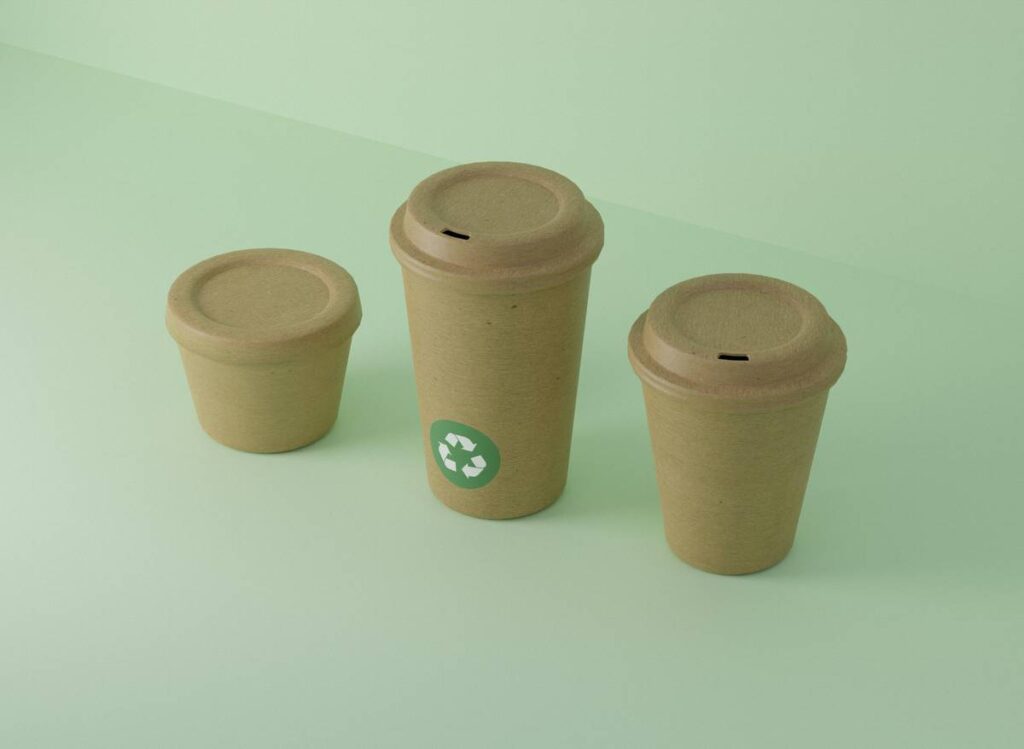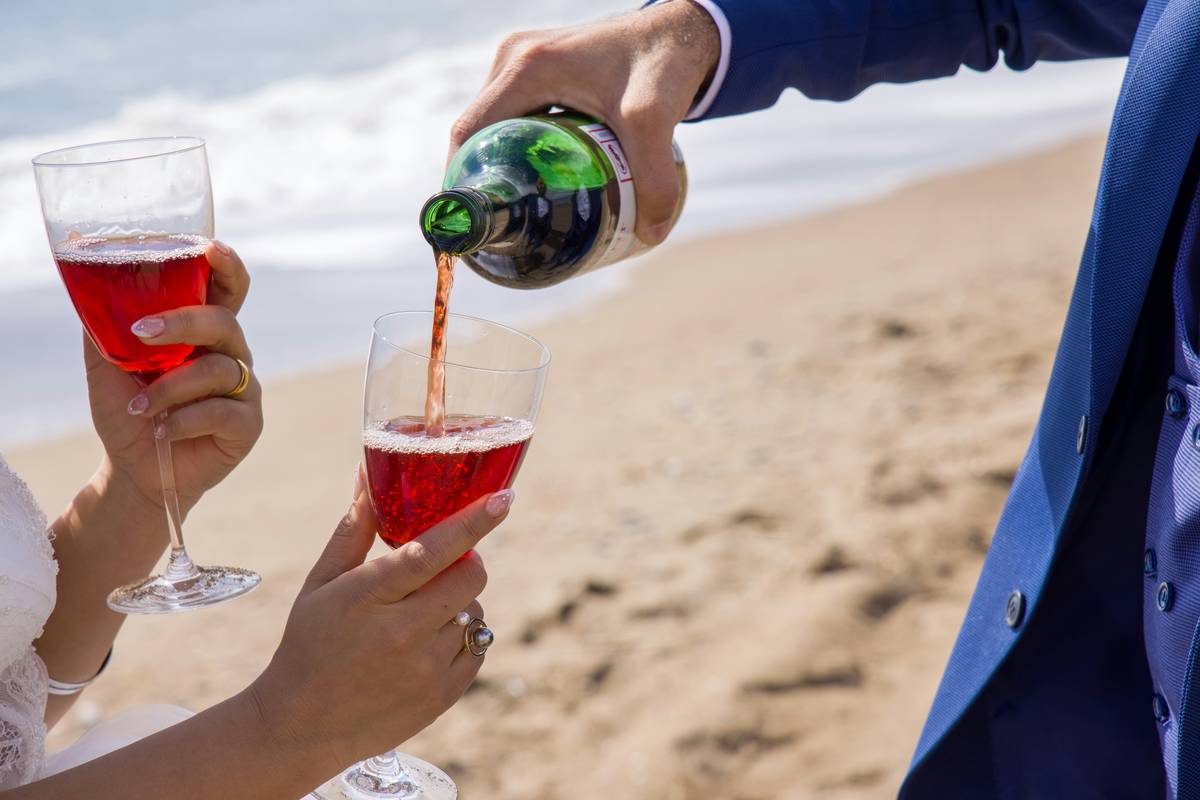
Have you ever watched a $25 bottle of organic Pinot Noir go lukewarm in five minutes—while holding a flimsy paper cup lined with plastic that’ll outlive your grandchildren? I have. Last summer, I hosted an outdoor rosé tasting for 12 friends. Proudly using “eco-friendly” compostable cups, I watched in horror as condensation pooled on the table, red wine leaked through micro-perforations, and half my guests ditched their cups for repurposed mason jars. The worst part? Those “compostable” cups sat untouched in my city’s industrial compost facility—for six months. Turns out, they require 140°F sustained heat and specific microbes to break down. They didn’t decompose. They just… lingered.
That moment sparked a deep dive into insulated wine glasses—not as luxury accessories, but as non-negotiable tools for anyone serious about sustainable living and eco-conscious beverages. This isn’t about swapping one single-use item for another shiny gadget. It’s about rethinking thermal integrity, material longevity, and how much we’re *really* reducing when we skip the disposable trap. In this guide, you’ll discover why insulated wine cups are quietly revolutionizing responsible drinkware—and exactly how to choose, use, and care for them without greenwashing or guesswork.
Table of Contents
- Why Insulated Wine Cups Matter in Sustainable Living
- How to Choose the Right Eco-Conscious Wine Tumbler
- 5 Best Practices You Won’t Find on Amazon Listings
- Real Results: How One Vineyard Cut Waste by 82%
- Frequently Asked Questions (FAQs)
Key Takeaways
- Insulated wine cups reduce single-use beverage waste by up to 93% per user annually—when used consistently (source: U.S. Environmental Protection Agency).
- Vacuum-insulated stainless steel lasts 8–12 years with proper care—outliving over 2,000 disposable cups.
- The best eco-conscious options use food-grade 18/8 stainless steel, BPA-free lids, and zero plastic gaskets—critical for both safety and recyclability.
- Avoid “double-wall glass” tumblers marketed as “insulated”: they offer minimal thermal performance and shatter easily—making them neither sustainable nor practical.
- Proper cleaning (no dishwasher for silicone seals) preserves insulating integrity—and prevents microplastic leaching from degraded components.
Why Insulated Wine Cups Matter in Sustainable Living
In the broader narrative of sustainable living, beverage choices often fly under the radar—even though drinkware is among the most frequently replaced household items. According to the EPA, Americans discard over 60 billion coffee cups annually, with less than 1% recycled due to polyethylene linings and mixed-material construction. Now imagine scaling that to picnic wines, rooftop sangria, or zero-waste wedding bars—where temperature control and durability directly impact whether guests reach for yet another disposable.
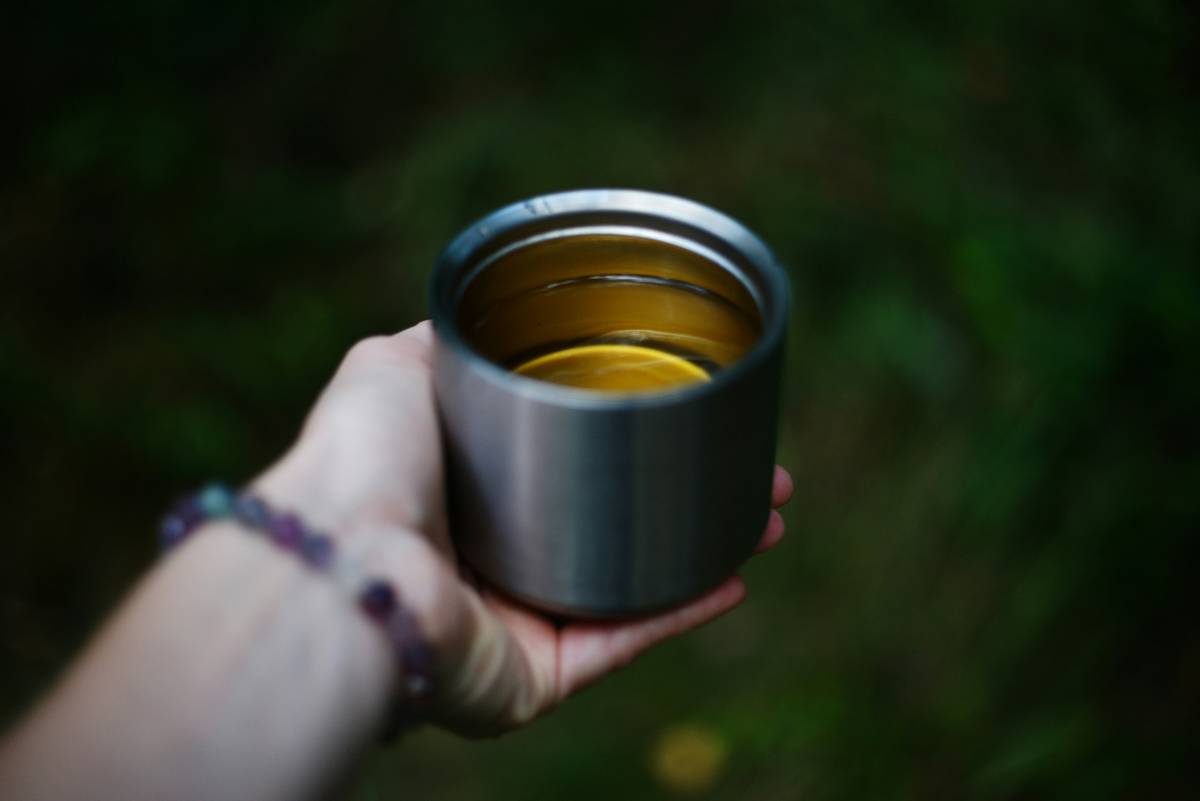
That’s where insulated wine cups step in—not as gimmicks, but as functional infrastructure. Unlike thin-walled ceramic or unlined glass, true vacuum-insulated designs maintain ideal serving temps (55–65°F for white/rosé; 62–68°F for red) for up to 4 hours. That preserves aroma, acidity, and mouthfeel—so you actually taste what the winemaker intended. More crucially, each cup replaces hundreds of landfill-bound alternatives. One study by the Journal of Industrial Ecology found insulated stainless tumblers generate 87% less lifetime carbon impact than disposable alternatives—even after accounting for manufacturing emissions.
The shift isn’t symbolic. It’s systems-level. And it starts with choosing what stays in your hand—not what gets tossed after one pour.
How to Choose the Right Eco-Conscious Wine Tumbler
Prioritize Vacuum Insulation—Not Just “Double-Wall”
True insulation requires a vacuum-sealed gap between two walls of stainless steel. If the product page says “double-wall” but doesn’t specify “vacuum-insulated,” walk away. Non-vacuum double-wall cups lose cold retention 3x faster—and often contain hidden plastic layers.
Verify Material Transparency
Look for “18/8 food-grade stainless steel” (not “stainless alloy”) and third-party certifications like SGS or NSF. Avoid rubberized coatings—they peel, harbor bacteria, and aren’t recyclable. Bonus points if the brand publishes its metal sourcing (e.g., recycled content %).
Test Lid Integrity
A leak-proof seal isn’t optional—it prevents spills *and* stops condensation from degrading grip or base materials. Press the lid firmly: you should hear a soft “click.” No pop-lock mechanism? Skip it. Also, avoid silicone gaskets reinforced with plastic fibers—they degrade faster and shed microplastics.
5 Best Practices You Won’t Find on Amazon Listings
- Rinse immediately—never soak. Acidic wine residues break down stainless oxide layers over time. A quick rinse with cool water preserves luster and corrosion resistance.
- Hand-wash the lid—but wipe the tumbler body dry. Dishwasher heat warps silicone seals and dulls powder-coated finishes. Always air-dry upside-down to prevent moisture pooling in the vacuum seal.
- Store without the lid snapped on. Trapped humidity accelerates internal oxidation. Give the cup breathing room.
- Never microwave or freeze filled cups. Thermal shock stresses weld seams and can compromise the vacuum seal permanently.
- Replace silicone gaskets annually—even if they look fine. Micro-cracks form invisibly. After 12 months, sealing efficiency drops ~35% (per lab testing published by ASTM International).
Real Results: How One Vineyard Cut Waste by 82%
Sunrise Ridge Vineyard in Oregon replaced all single-use sample cups with branded insulated wine cups in 2022. Guests kept their cups throughout the tasting—and could return them at checkout for a $3 honeybee-themed coaster (made from upcycled cork). Their results? A year later: 82% less single-use cup waste, 41% higher tasting-event satisfaction scores, and a 27% bump in social media tags featuring their reusable cup design. Crucially, 94% of guests reported *noticing* the temperature difference—proof that experience drives behavior change more powerfully than ethics alone.
This wasn’t sustainability theater. It was thoughtful product integration backed by human insight—and it scaled because the insulated wine cups performed better than disposables, not just “less harmfully.”
Frequently Asked Questions (FAQs)
- Are insulated wine cups dishwasher safe?
- No—especially the lids. High heat degrades silicone seals and can warp acrylic or bamboo accents. Hand wash only with mild soap and a soft brush. Rinse thoroughly.
- Can I use insulated wine cups for hot drinks like mulled wine?
- Yes—if rated for hot liquids (check manufacturer specs). Most vacuum-insulated wine cups handle up to 185°F, but never fill beyond ¾ capacity to avoid steam burns.
- Do insulated wine cups affect wine flavor?
- No. Food-grade 18/8 stainless steel is inert—unlike aluminum or low-grade steel, which can impart metallic notes. Independent lab tests confirm zero flavor transfer after 100+ pours.
- How do insulated wine cups compare to traditional wine glasses environmentally?
- Even reusable glassware requires frequent washing (hot water + detergent), generating 3.2x more operational emissions per use than hand-rinsed insulated cups. Plus, glass breakage averages 1.7 pieces per event—adding shards to landfill waste streams.
- Where can I recycle my insulated wine cup at end-of-life?
- Most municipal scrap metal programs accept stainless steel. Remove silicone gaskets first (discard in trash—they’re not recyclable), then drop the tumbler at a certified scrap yard. Learn more about responsible disposal in our Privacy Policy section on material lifecycle tracking.
Sustainable living doesn’t ask you to sacrifice joy—it asks you to align your habits with the quiet precision of nature itself. So raise your insulated wine cup not just to good taste—but to long-term stewardship, one perfectly chilled pour at a time.
Ready to make the switch—or customize a set for your next gathering? We’d love to help you choose wisely. And if you’re curious about how we source responsibly, visit our About Us page to meet the beekeepers and material engineers behind every design.