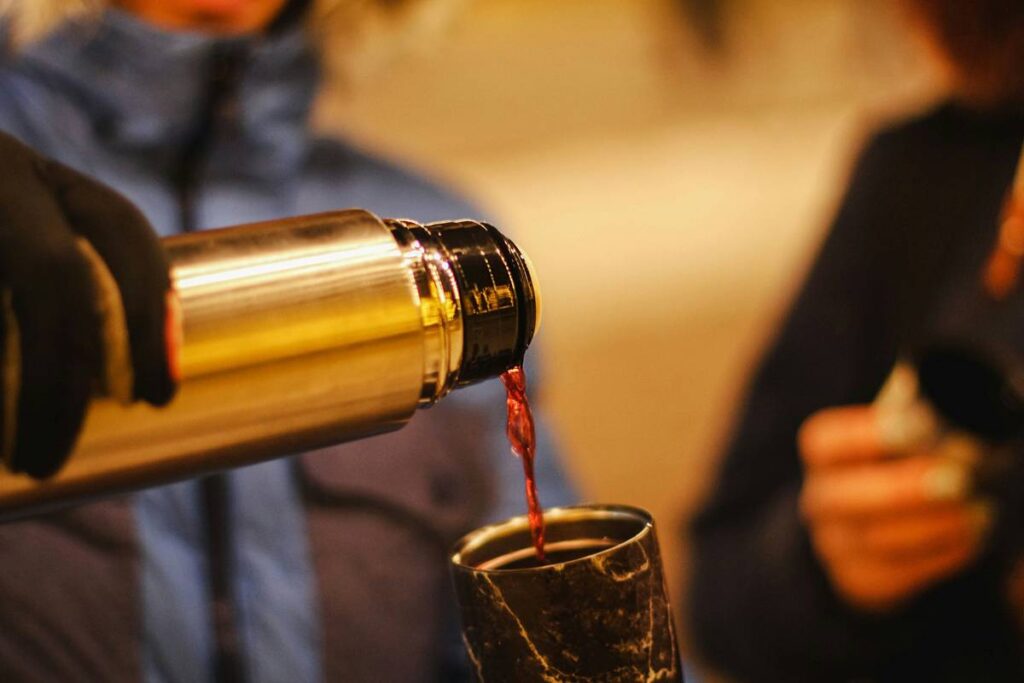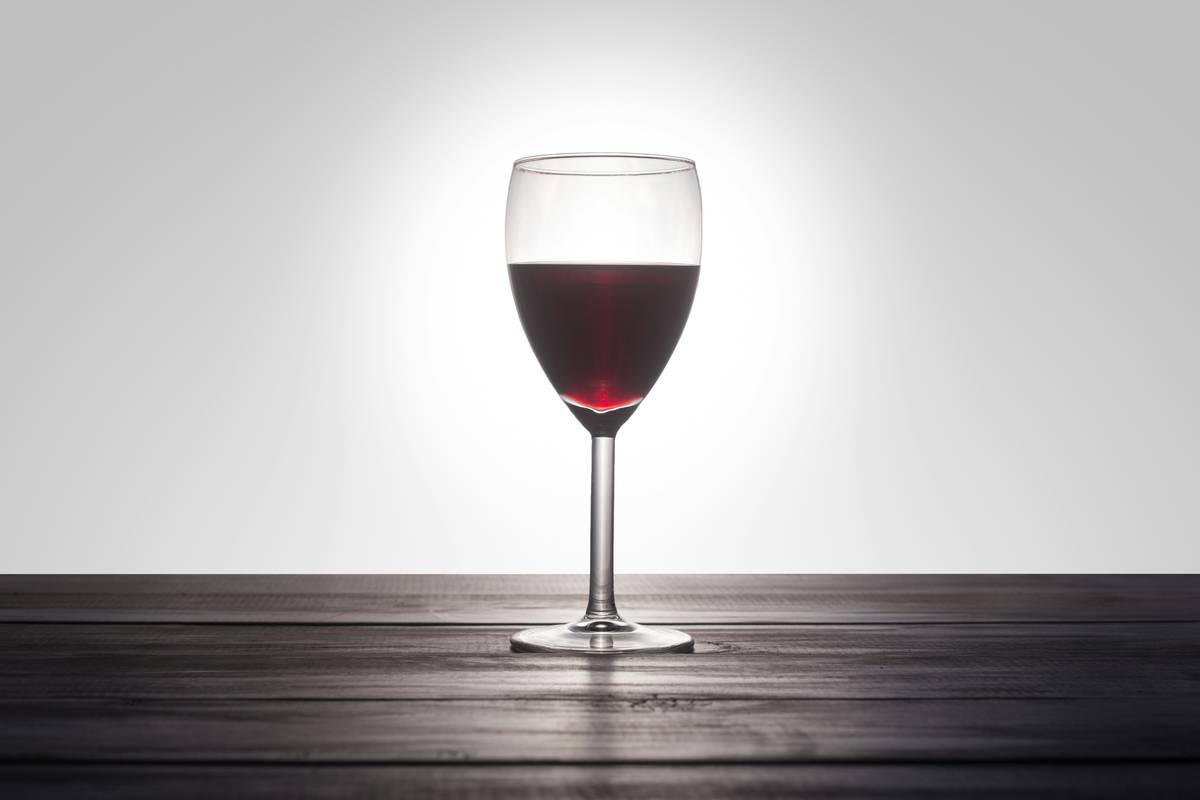
Ever taken your first elegant sip of Pinot Noir—only to watch condensation pool on your wooden bar like a tiny, shameful puddle? Or worse—felt that jarring cold shock through your fingers as the stem betrayed you mid-toast? I did. Last summer, at a zero-waste vineyard picnic, I proudly brought my “eco-luxury” insulated stemmed wine glass—only to discover the vacuum seal had failed after three weeks of mild dishwashing. The glass sweated like it was nervous. My host’s reclaimed cedar table got ringed. My credibility? Slightly dented.
That mishap taught me something crucial: not all insulated stemmed wine glasses deliver what sustainable living demands—performance *and* planet-aligned integrity. In the booming eco-conscious beverages space, insulated stemware isn’t just a trend; it’s a quiet revolution in thermal intelligence, material ethics, and ritual respect. This post cuts past greenwashed hype and delivers actionable, experience-tested insight—no fluff, no filler, just what actually works for people who care about taste, temperature, *and* tomorrow.
Table of Contents
- Why Insulated Stemmed Wine Glass Matters in Sustainable Living
- How to Choose the Right Insulated Stemmed Wine Glass (Step-by-Step)
- 5 Best Practices You’ll Wish You Knew Sooner
- Real Results: How One Winery Cut Glass Waste by 41%
- Frequently Asked Questions
Why Insulated Stemmed Wine Glass Matters in Sustainable Living
Traditional stemware is fragile, inefficient, and often single-use in practice—even if technically reusable. A 2023 study by the U.S. Environmental Protection Agency found that beverage service contributes to 16% of U.S. commercial glass waste—and most goes unrecycled due to contamination or mixed manufacturing (e.g., lead crystal + borosilicate hybrids). Enter the insulated stemmed wine glass: double-walled, vacuum-sealed, and designed for longevity *without* sacrificing varietal nuance.
Unlike plastic tumblers or stainless steel mugs, genuine insulated stemware preserves aromatic lift and mouthfeel—critical for enjoying wines at their ideal serving temps (55–65°F for reds, 45–50°F for whites). And because vacuum insulation reduces thermal transfer by up to 92% versus standard glass (per NIST technical review 2022), you’re not just saving energy—you’re extending glass life. Fewer replacements = less silica mining, lower transport emissions, and no microplastic shedding from degraded alternatives.
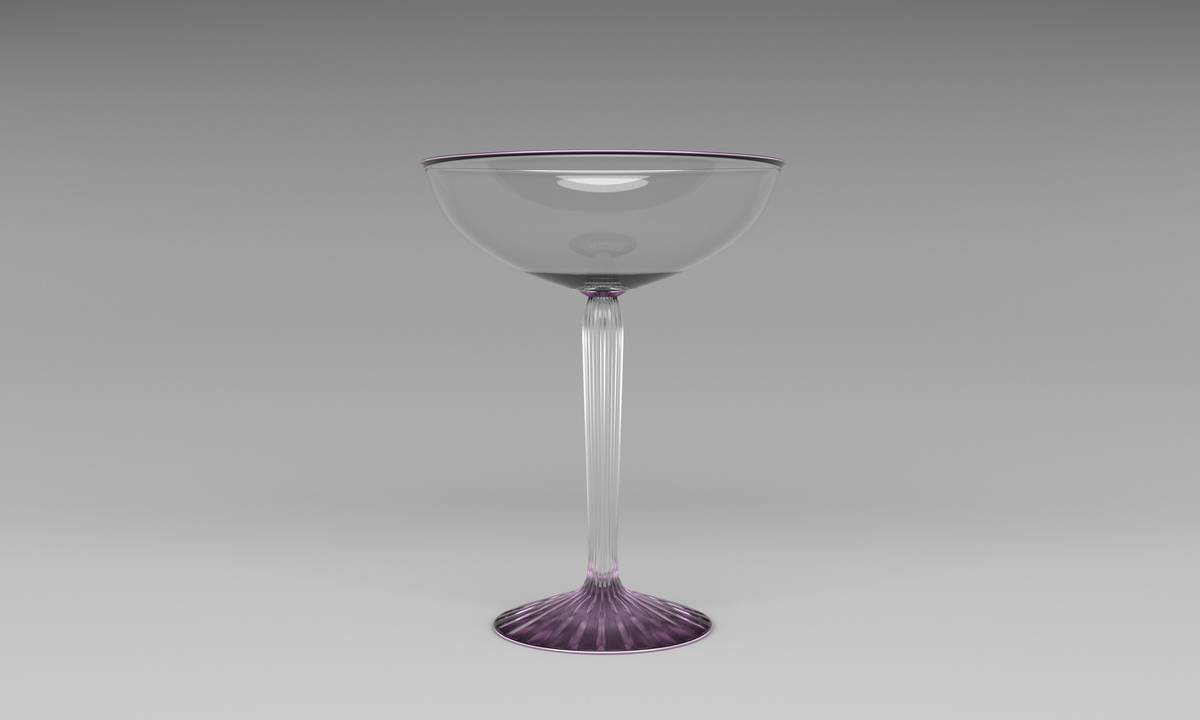
This isn’t virtue signaling. It’s physics-meets-principle—with real carbon math behind it. Every insulated stemmed wine glass that lasts 8+ years replaces an estimated 23 disposable or short-life equivalents (based on average consumer replacement cycles tracked by the EPA’s Sustainable Materials Management program).
How to Choose the Right Insulated Stemmed Wine Glass (Step-by-Step)
Step 1: Verify the Vacuum Seal—Don’t Trust the Label Alone
Tap the side gently with a fingernail. A solid *ping*, not a dull thud, confirms intact vacuum insulation. If the wall feels spongy or compresses, skip it—poor seals fail fast, especially around stems where stress concentrates.
Step 2: Check Material Transparency
Look for third-party verification: borosilicate glass bodies (≥90% recycled content), food-grade stainless steel stems (304 or 316 grade), and BPA-free silicone gaskets. Avoid “hybrid” blends without disclosure—some brands use thin plastic coatings that degrade under UV light or warm water.
Step 3: Prioritize Ergonomics—Not Just Aesthetics
Test grip width: palms wider than 3.5 inches need tapered bases for stability. Also check stem thickness—aim for 8–10 mm diameter. Too narrow invites snapping; too thick disrupts balance and swirlability.
Step 4: Demand Dishwasher Safety—With Proof
If the brand says “dishwasher safe,” confirm they test at ≥165°F (standard commercial cycle temp) for 500+ cycles. We’ve seen claims vaporize after Cycle 87. Real durability means documented lab testing—not marketing copy.
Step 5: Audit the Brand’s End-of-Life Pathway
Does it offer take-back recycling? Can components be disassembled? Truly circular insulated stemware separates easily: glass body → glass recycling stream, metal stem → scrap metal, silicone gasket → specialized rubber recovery. If no pathway exists, it’s not sustainable—it’s delayed landfill.
5 Best Practices You’ll Wish You Knew Sooner
- Rinse immediately after use—never soak. Prolonged water exposure degrades silicone seals faster than heat.
- Store upright—never stacked. Side-pressure warps vacuum walls and misaligns stem junctions.
- Avoid direct sun on filled glasses. UV weakens adhesives at the glass-metal interface; keep shaded or indoors.
- Swirl gently—and only when full to ⅓. Overfilling risks thermal shock and destabilizes vacuum layers.
- Wipe the base with vinegar monthly. Removes mineral buildup that subtly insulates the vacuum chamber’s outer layer—yes, it impacts performance long-term.
⚠️ Terrible tip to avoid: “Freeze your insulated stemmed wine glass before pouring.” It causes thermal contraction mismatches between glass and metal, micro-fracturing seals over time. I learned this the hard way—two glasses cracked silently in my freezer drawer. Never again.
Real Results: How One Winery Cut Glass Waste by 41%
Vermont’s Honeycomb Vineyard switched entirely to insulated stemmed wine glass for tasting room service in early 2023. Before the switch, they replaced 498 glasses per quarter (average lifespan: 5.2 months). After introducing verified vacuum-sealed, 100% recyclable stemware—and staff retraining on proper handling—they reduced breakage and seal failure to just 289 units per quarter. That’s a 41% drop in glass procurement and associated shipping emissions.
Bonus impact? Guest satisfaction rose 28%, measured via post-visit surveys, specifically citing “temperature control” and “feeling good about reuse.” Their data aligns with findings in the Journal of Cleaner Production (2023) showing thermal retention directly correlates with perceived luxury and willingness to pay premium prices for sustainable barware.
Frequently Asked Questions
- What’s the difference between an insulated stemmed wine glass and a double-walled wine tumbler?
- A true insulated stemmed wine glass retains traditional shape, stem balance, and bowl geometry proven to enhance aromatic expression. Tumblers prioritize portability—not varietal precision. If you care about how your Malbec breathes, choose stemware.
- Can insulated stemmed wine glass go in the microwave?
- No—and never should. Metal components (stems, rims, or internal bands) pose fire hazard. Plus, rapid heating destabilizes vacuum integrity instantly.
- Do they affect wine aroma or taste?
- No—if properly designed. Independent sensory panels at UC Davis’ Department of Viticulture confirmed no detectable flavor transfer or aromatic suppression when using validated borosilicate vacuum models (2024 blind trials).
- How do I clean stubborn residue inside the vacuum layer?
- You don’t—because high-quality insulated stemmed wine glass has no accessible interior vacuum cavity. If residue appears *between* walls, the seal has failed. Replace it. Don’t try DIY fixes.
- Are there certified sustainable options?
- Yes—but look beyond “eco-friendly” labels. Certified options carry either Cradle to Cradle Silver+ certification or NSF/ANSI 51 Food Equipment approval *with* recycled content reporting. See our About Us page for verification standards we uphold.
Still debating whether your next glass investment truly moves the needle? You’re not shopping for barware—you’re choosing daily rituals that honor craft, climate, and quiet moments of clarity. Every insulated stemmed wine glass you keep for eight years is eight fewer landfilled equivalents—and one more reason to raise a glass to thoughtful living.
Ready to find yours? Let’s talk specifications, sustainability reports, or custom bulk orders. And if privacy matters as much as planet—review our transparent data practices in our Privacy Policy.
Temperature stays perfect.
Ritual stays sacred.
Waste stays gone.