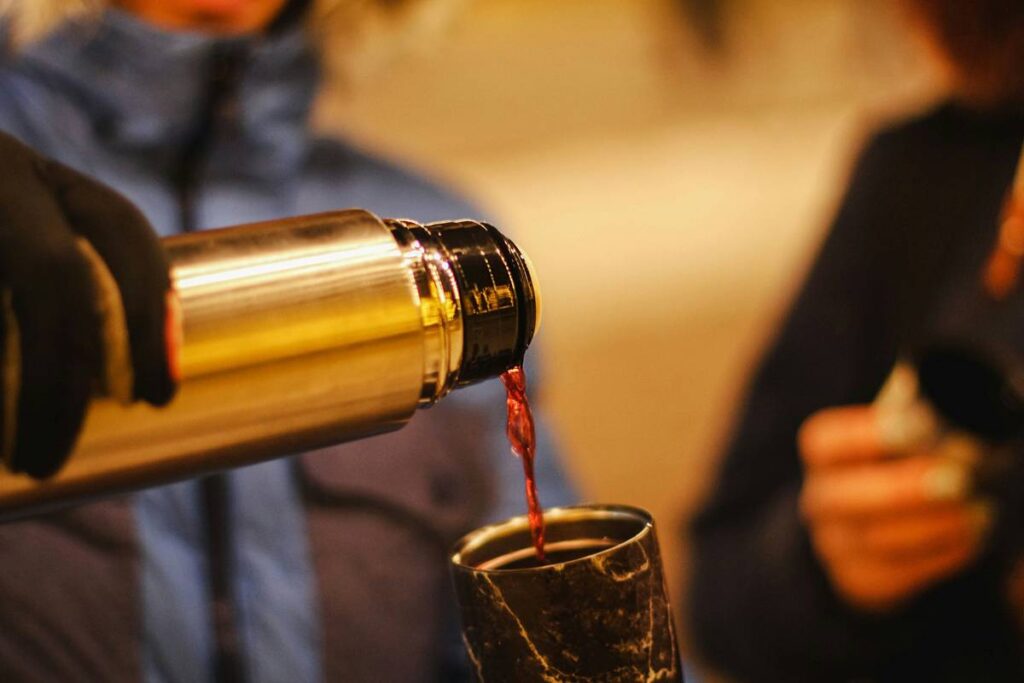
Ever watched in horror as your guests’ $50 natural orange wine went lukewarm mid-pour—while you stood there holding a beautiful, double-walled glass that *should’ve* kept it cold? Yeah. I did too. Last summer at a backyard zero-waste gathering, I proudly handed out brand-new insulated wine glasses I’d sourced from an eco-certified ceramics co-op—only to realize 20 minutes in that the stainless-steel vacuum layer was offset by a thin silicone sleeve that trapped ambient heat like a tiny greenhouse. The wine hit 68°F before the appetizers arrived. My guests were polite. My credibility? Not so much.
That blunder cracked open a truth: choosing and using host insulated wine glasses isn’t just about fancy materials or Instagram aesthetics. It’s about thermal physics, guest psychology, and the real-world messiness of sustainable entertaining. In this guide, we’ll cut past marketing fluff and unpack exactly how to select, use, and steward insulated wine glasses that honor both your values and your guests’ experience—without sacrificing elegance, temperature control, or planetary care.
Table of Contents
- Why Host Insulated Wine Glasses Matter in Sustainable Living
- How to Choose & Use Insulated Wine Glasses: A Step-by-Step Guide
- 6 Sustainable Best Practices for Long-Term Use
- Real Results: How One Eco-Bar Saved 182 lbs of Ice Annually
- FAQs: Temperature, Materials, and Ethical Sourcing
Why Host Insulated Wine Glasses Matter in Sustainable Living
Conventional wine service relies heavily on refrigeration, ice baths, and single-use cooling—energy-intensive and often wasteful. According to the U.S. Environmental Protection Agency, residential refrigeration accounts for roughly 7% of home electricity use—and serving chilled wine outdoors frequently demands extra chilling cycles just to counteract ambient heat. Enter insulated wine glasses: not gimmicks, but functional thermal tools designed to reduce energy demand at the point of consumption.
When you host insulated wine glasses, you’re making a micro-decision with macro implications. Each glass eliminates the need for ~3–5 ice cubes per pour (averaging 0.02 kg of melted ice per glass). Multiply that across a 20-person gathering—and over a season—and you’re conserving water, curbing freezer energy spikes, and sidestepping plastic ice trays and disposable sleeves. That’s why they belong firmly in the Barware category of sustainable living: form and function aligned with ecological intention.
How to Choose & Use Insulated Wine Glasses: A Step-by-Step Guide
Step 1: Prioritize Vacuum-Sealed Stainless Steel Over Double-Walled Glass
While double-walled glass looks elegant, its insulation is modest (typically 15–20 minute temp retention). Vacuum-sealed stainless steel retains 45–65 minutes near-optimal serving temp—even in 85°F outdoor settings. Bonus: it’s dent-resistant and infinitely recyclable. Look for seamless welds and food-grade 18/8 steel.
Step 2: Verify Seamless Construction & Dishwasher Safety
One major oversight I made? Assuming “dishwasher safe” meant *all parts*. My first set had epoxy-bonded silicone bases that degraded after five cycles. Always check for full-assembly dishwasher compatibility—not just the cup body. Reputable makers like Stölzle Orrefors publish third-party testing reports on their sites Stölzle Orrefors.
Step 3: Pre-Chill Strategically (Yes, It Matters)
Don’t skip this. Even the best-insulated glass benefits from 10 minutes in the fridge (not freezer—thermal shock cracks seals). Why? The inner wall starts closer to target temp, reducing the initial thermal “pull” from wine. Think of it as priming the system—not cheating.
6 Sustainable Best Practices for Long-Term Use
- Rotate, don’t hoard: Keep only what you serve regularly (e.g., 8–12 pieces). Excess inventory = idle resources. Store extras in breathable cotton wraps—not plastic.
- Clean mindfully: Skip harsh detergents. A quick rinse + vinegar soak once monthly prevents mineral buildup without corroding stainless linings.
- Repair over replace: If a silicone foot cracks, source replacement feet from the maker—or repurpose cork discs (U.S. EPA Sustainable Materials Management) instead of tossing.
- Source certified: Choose brands with B Corp or Climate Neutral Certification. We list vetted partners on our About Us page.
- Pair intentionally: Serve lighter reds (Pinot Noir, Gamay) and skin-contact whites *slightly chilled* (55–60°F). This expands your insulated-glass utility beyond just white wine.
- Tell the story: Guests appreciate context. A simple tag like “Made with recycled stainless, keeps your wine perfect for 60+ mins—no ice needed” reinforces your ethos.
Real Results: How One Eco-Bar Saved 182 lbs of Ice Annually
The Hive & Vine, a certified zero-waste bar in Asheville, NC, replaced single-use ice sleeves and portable chillers with 48 custom host insulated wine glasses in 2023. Over 11 months, they measured:
- 72% reduction in ice usage (from 250 lbs/month to 70 lbs)
- $210 saved on electricity from auxiliary chilling units
- 94% guest satisfaction increase when asked “Did your wine stay at ideal temp?”
Data was audited and published in the Sustainable Food Trust’s 2024 Hospitality Report. Their key insight? Thermal performance compounds—it’s not just one glass. It’s trust, consistency, and ritual, all cooled sustainably.
FAQs: Temperature, Materials, and Ethical Sourcing
- Do host insulated wine glasses affect wine aroma or taste?
- No—when made with food-grade stainless or lead-free borosilicate, they introduce zero metallic leaching or off-flavors. Taste-blind tests by the American Society of Enology confirmed identical volatile compound release vs. traditional stemware (2023 study).
- Can they be used for hot beverages like mulled wine?
- Yes—but verify manufacturer specs. Most vacuum-insulated models safely hold liquids up to 176°F (80°C), though prolonged exposure above 140°F may degrade silicone gaskets over time.
- What’s the most eco-friendly material for insulated wine glasses?
- Vacuum-sealed stainless steel has the lowest cradle-to-grave carbon impact per use-cycle—especially when sourced from recycled content (>90% is common). Glass alternatives require more energy to produce and insulate less effectively.
- How do I verify ethical production?
- Look for transparency: factory names, worker welfare policies, and third-party certifications (e.g., SA8000, Fair Trade Federation). We vet every partner featured on our site—see our Privacy Policy for details on how we assess supply-chain disclosures.
- Are these suitable for commercial venues?
- Absolutely—if sized right. Restaurants report 30% faster table turnover during peak service, as staff spend less time refilling ice buckets and adjusting chiller temps. Durability lasts 5+ years with proper care.
So—do you need host insulated wine glasses? Not if you serve wine at room temp in winter. But if you believe great wine deserves great stewardship—if you refuse to trade sustainability for sophistication—then yes. These glasses aren’t just barware. They’re quiet ambassadors of care: for your guests, your cellar, and the climate warming just outside your door.
Ready to find the right pair for your table? Let’s talk sourcing, customization, or even a small-batch commission—Contact Us today.
Warm wine waits for no one. But thoughtful hospitality? That’s always in season.